Give Back to the Reef You Love
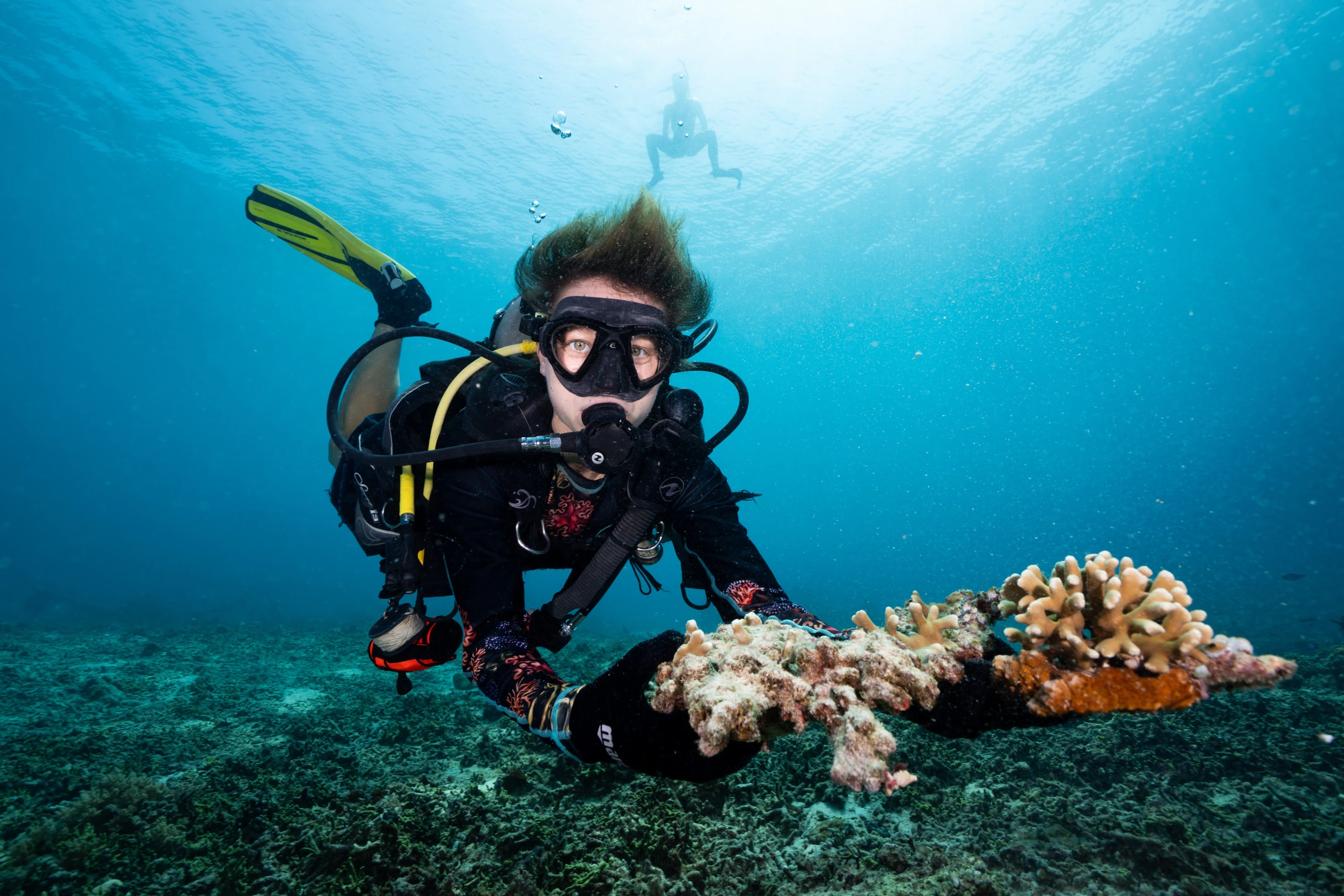
Let’s face it: most people who arrive on Gili Trawangan are here for the same reasons — warm crystal-clear water, tropical fish, turtles and beautiful coral reefs.
But have you ever stopped to think about what makes all of that possible?
Coral reefs are the foundations of life around the Gilis. They provide shelter and food for fish, create habitat for turtles and countless other marine species, and help protect our coastlines. They are also a huge part of what makes the islands such a special place to visit.
So, while you’re here, why not give back to the reef and plant your own coral!
You don’t need to be a marine biologist, a conservation expert or even a diver to start learning about coral restoration. All you really need is a little curiosity and a willingness to try something new.
Coral propagation is surprisingly similar to gardening on land.
Take the iconic frangipani trees you find on Gili, for example. If a healthy branch falls from a tree and is planted in the right conditions, it can grow roots and become a brand-new tree. Corals have a similar ability to grow from fragments.
Corals are colonial animals, meaning that a single coral colony is made up of many tiny individual animals living together. When a healthy colony is broken into smaller pieces, those fragments can continue growing into new colonies.
This is where coral propagation comes in.
From broken fragment to new coral
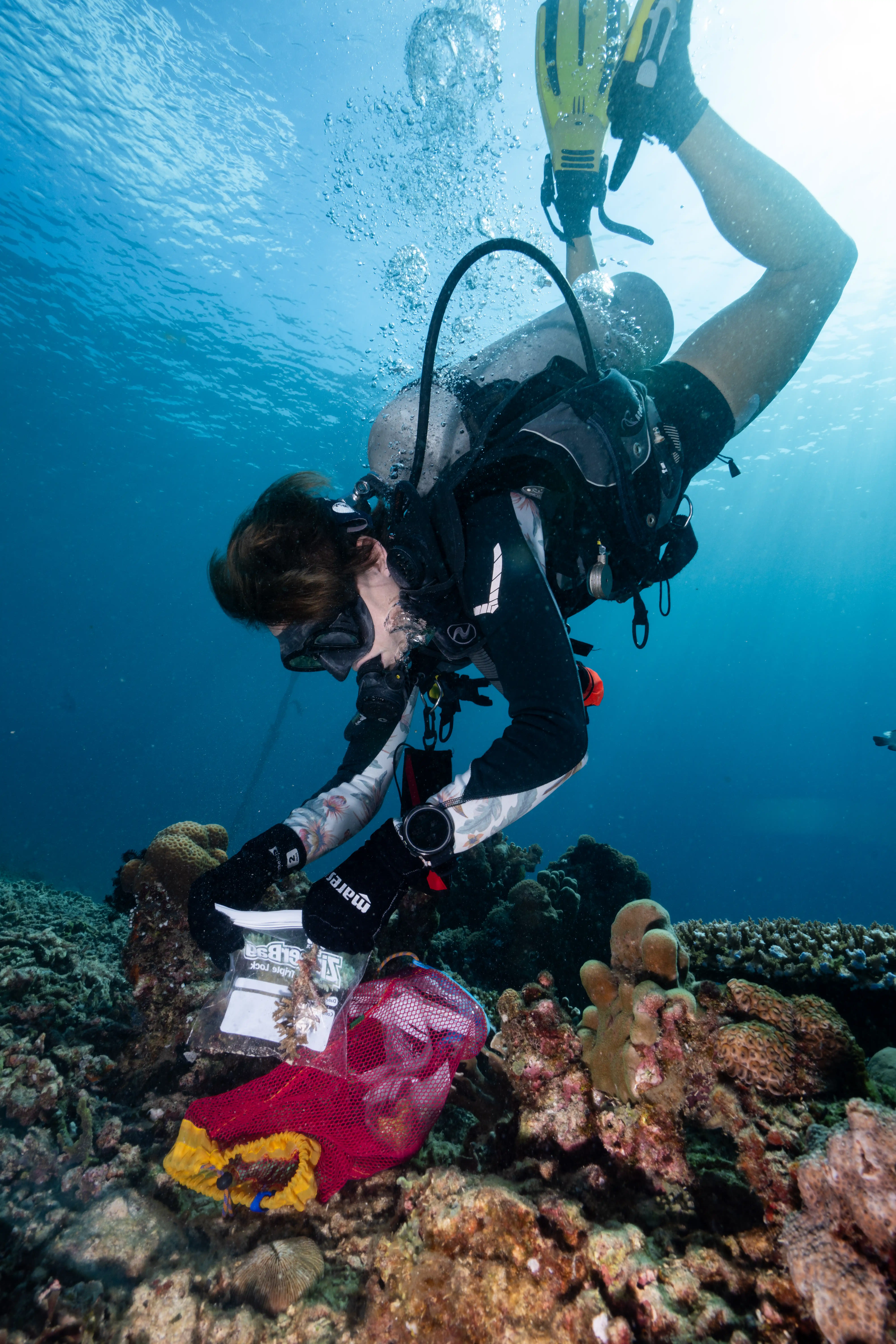
Around the Gilis, coral fragments can become dislodged for all sorts of reasons — from storms and strong currents to boat anchors, careless fins or snorkellers accidentally standing on the reef. Sometimes, even a turtle landing on a coral colony can cause some damage!
Rather than allowing healthy fragments to disappear into the sand, trained coral restoration teams can rescue them and give them a chance to grow.
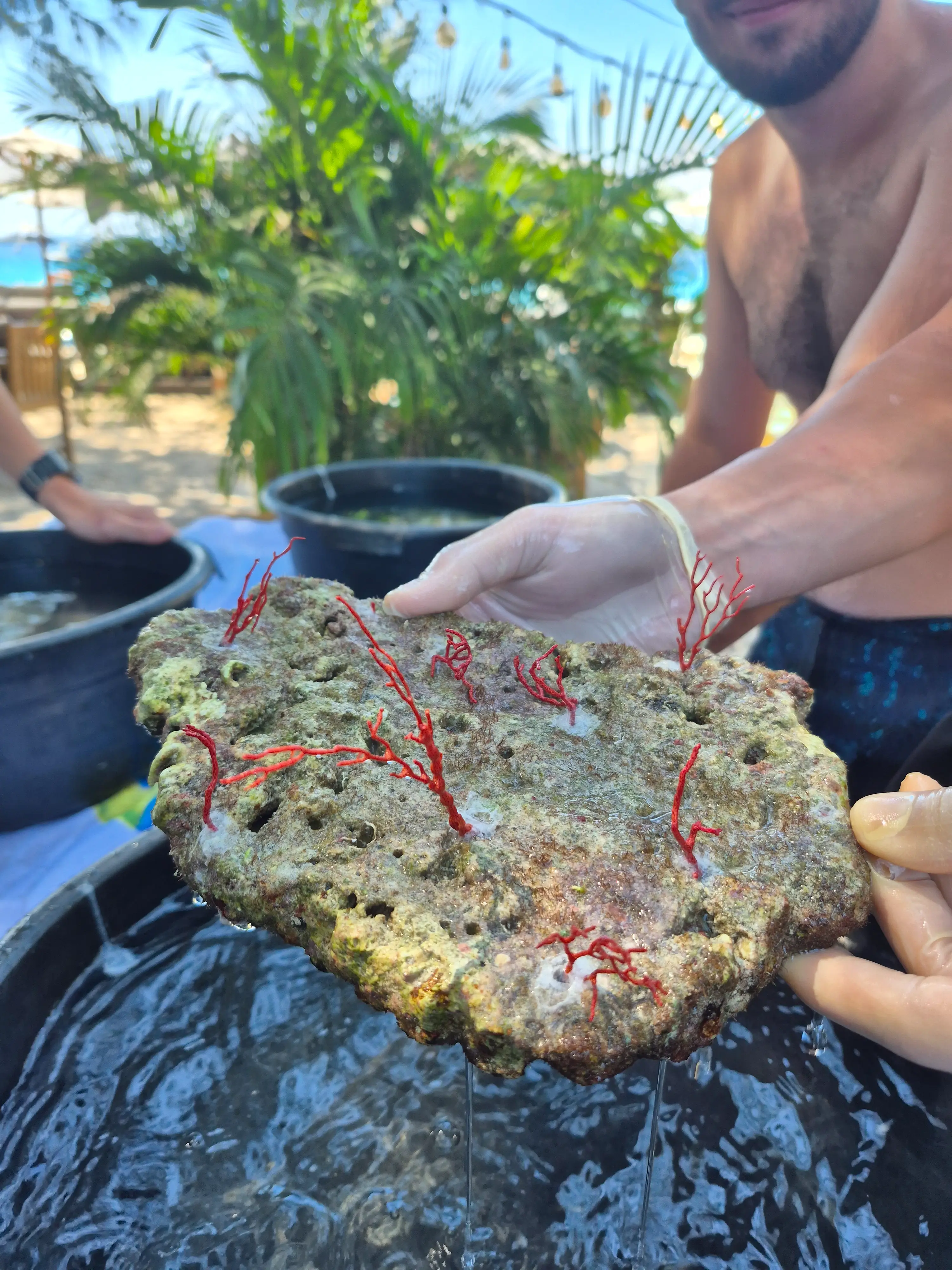
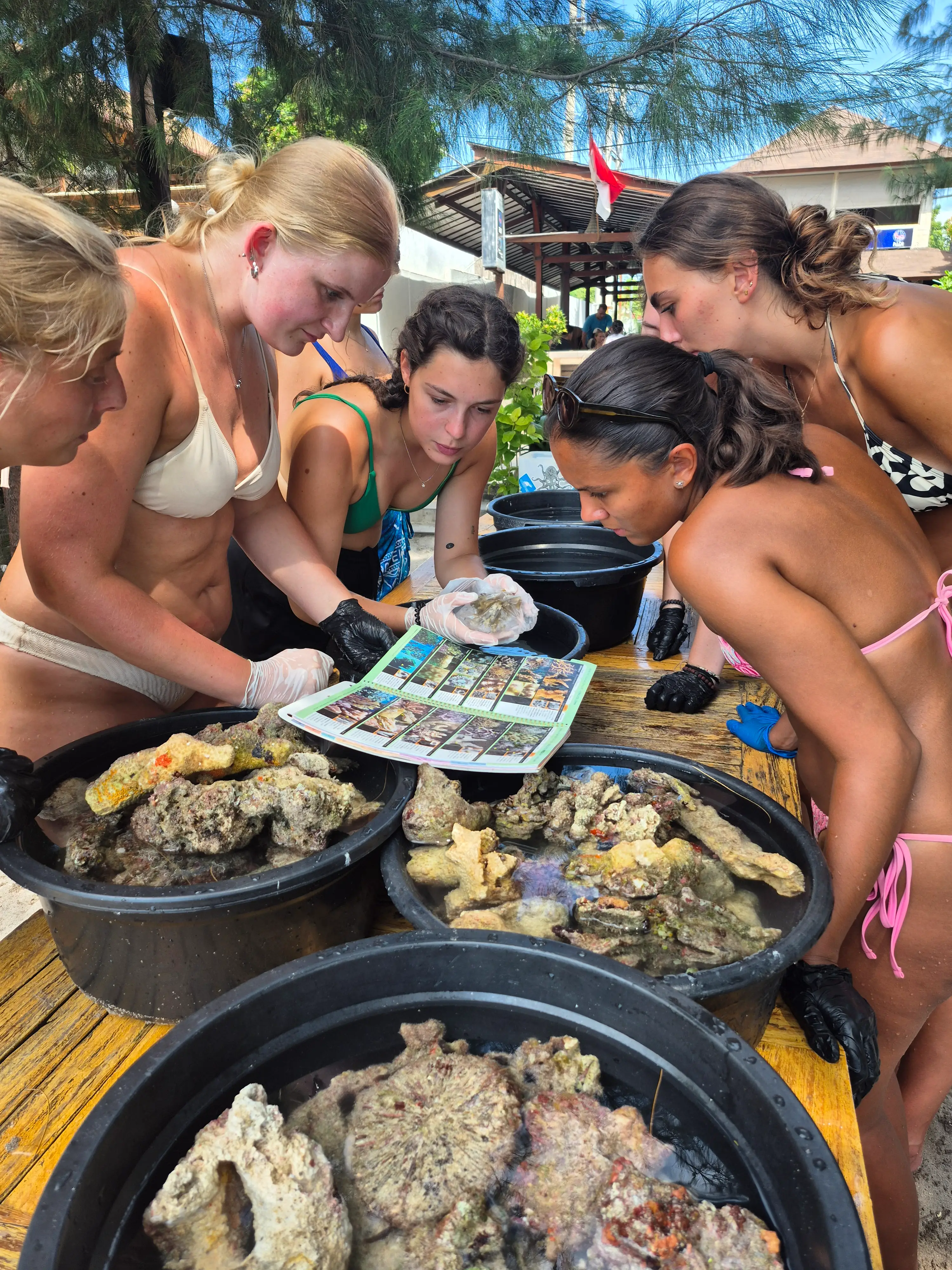
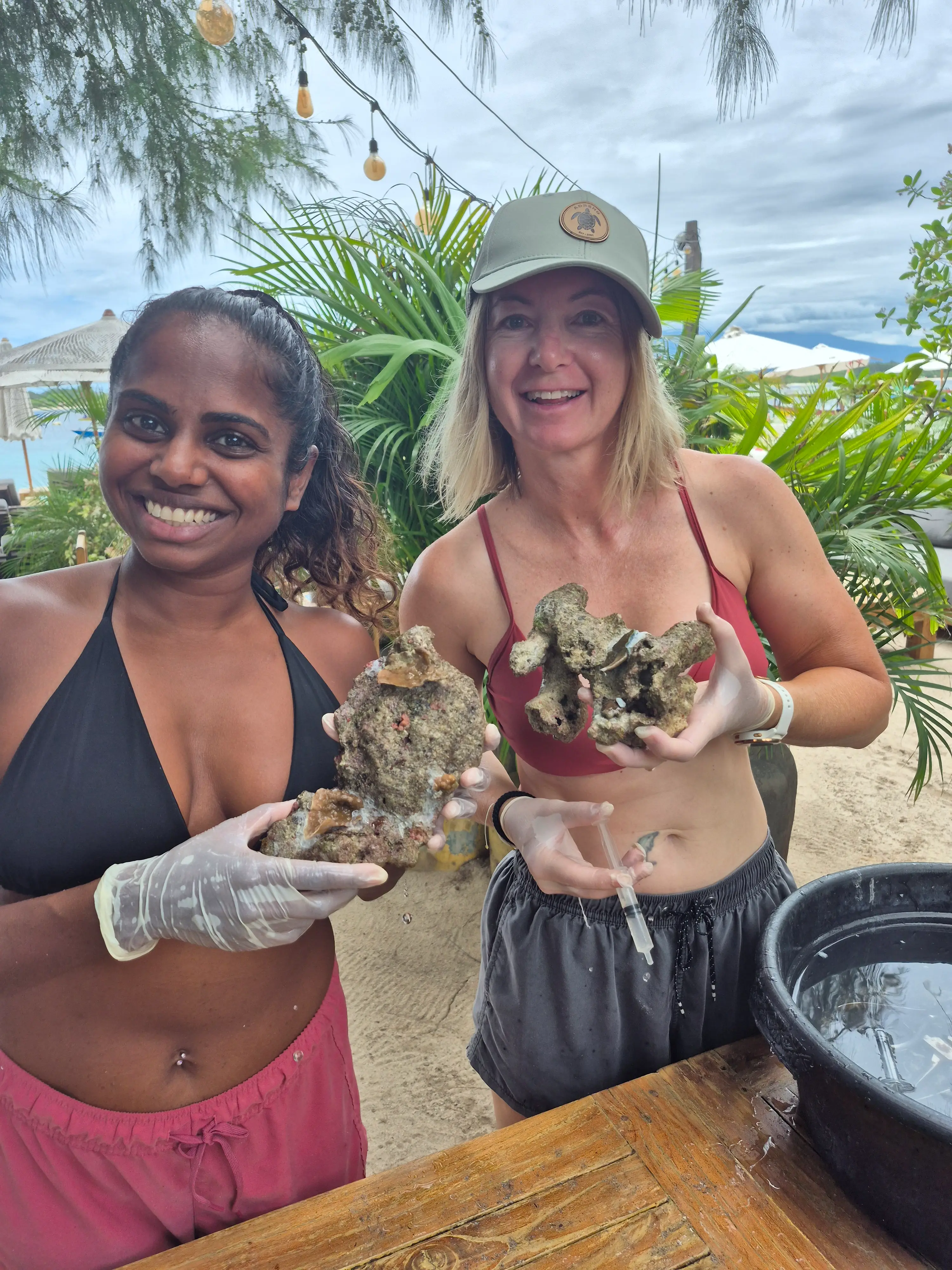
Through microfragmentation, a single healthy coral can be divided into several smaller pieces. These tiny fragments are then attached to natural rock substrate using a specially formulated catalyst that helps the coral begin to cement itself to the rock. A small amount of glue helps hold everything securely while the coral gets established.
Think of it as giving a tiny coral a temporary helping hand.
Once planted, the corals are placed in shallow-water nurseries where they can be regularly monitored while they grow. After around 8–10 months, healthy colonies can be transplanted back onto damaged sections of reef, helping to restore coral cover and local biodiversity.
The beauty of this approach is that it is simple, affordable and highly scalable. With the right training, lots of small corals can be grown in a relatively short period of time — creating a living bank of corals ready to help replenish damaged reefs.
Conservation you can get your hands dirty with
Marine conservation can sometimes feel a little distant from regular holiday life. You might see scientists surveying reefs or hear about coral bleaching in documentaries, but wonder what you can actually do about it.
Coral propagation brings conservation closer to home.
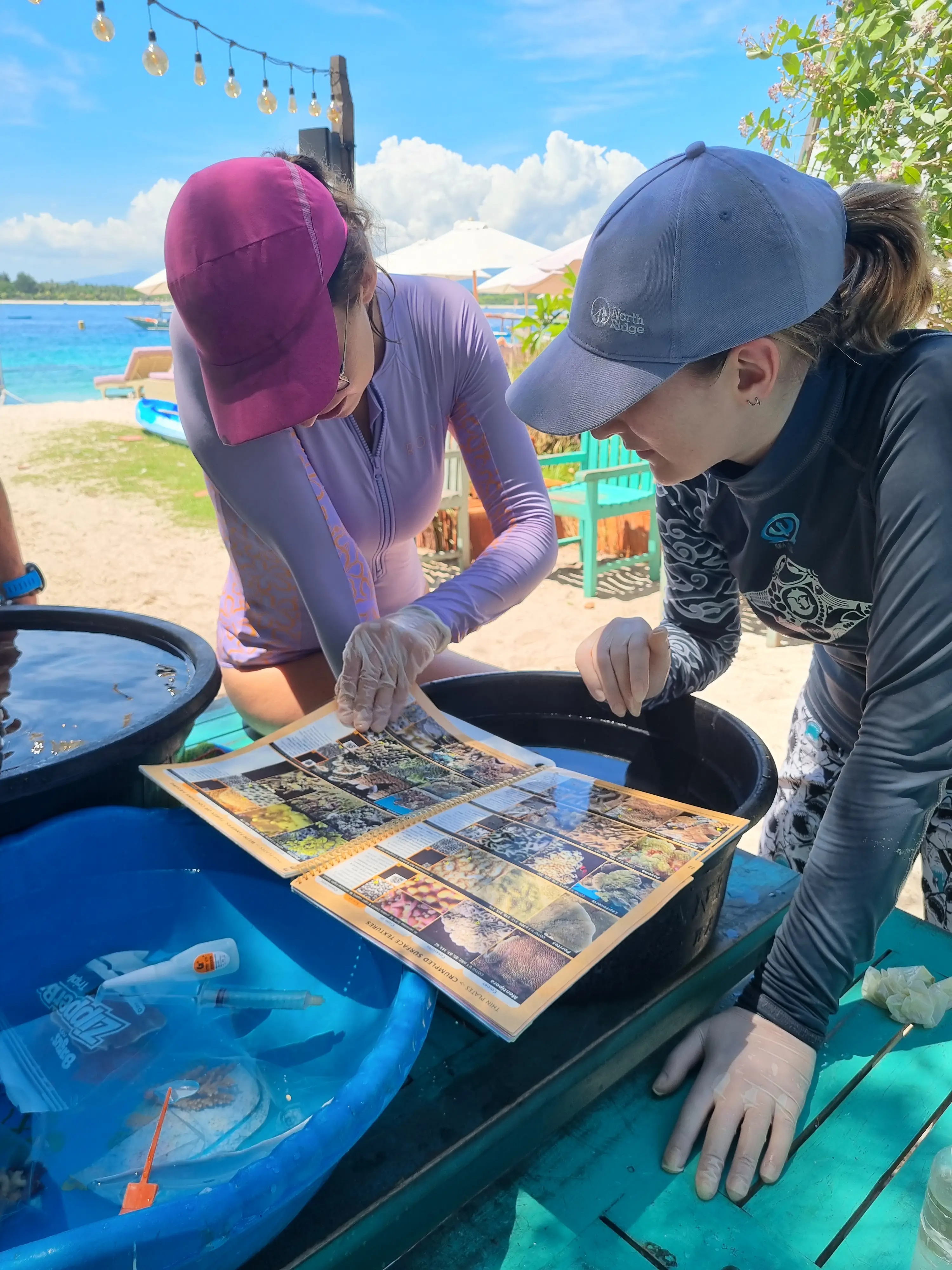
Here on Gili Trawangan, visitors can take part in a hands-on workshop and learn how coral restoration works for themselves. You can learn about coral biology, discover how healthy fragments are selected and even attach your own coral to a piece of natural substrate.
And you don’t necessarily have to be a diver.
Bringing coral restoration onto the beach also means that conservation becomes something everyone can see and be curious about. Someone stopping for lunch, walking along the beach or enjoying a sunset can watch the process, ask questions and discover that reef restoration isn’t just something scientists do somewhere far away.
It’s something we can all learn about — and help with.
Leave more than footprints
A holiday on the Gilis doesn’t have to be about simply enjoying the ocean and moving on. You can become part of protecting the place you’ve come to enjoy.
If you’ve watched a documentary about coral bleaching, wondered what happens to damaged reefs, or simply want to try something completely different during your stay, why not learn how to plant a coral?
If you’re visiting Gili Trawangan and would like to learn more, head to Trawangan Dive and ask about their coral propagation workshops.
And if you’re already a certified diver with 20+ dives, you can take your involvement a step further by joining field training to become a coral propagator in a field training course.
Because sometimes the best souvenir from the Gilis isn’t something you take home with you.
It’s knowing that you left a little more life growing beneath the waves.

mylombok


Expat Interviews
Claire and Valia Gontard - Somewhere Real, Somewhere Special, Somewhere Lombok
Claire and Valia Gontard share the story behind Somewhere Lombok, from their family connection to the island to building a boutique resort rooted in nature, community and thoughtful hospitality

Through a Lense
GT World Challenge Asia at Mandalika International Circuit, Indonesia
A photographer’s perspective on GT World Challenge Asia at Mandalika, capturing the speed, precision and atmosphere of GT3 racing against Lombok’s coastline.
Businesses
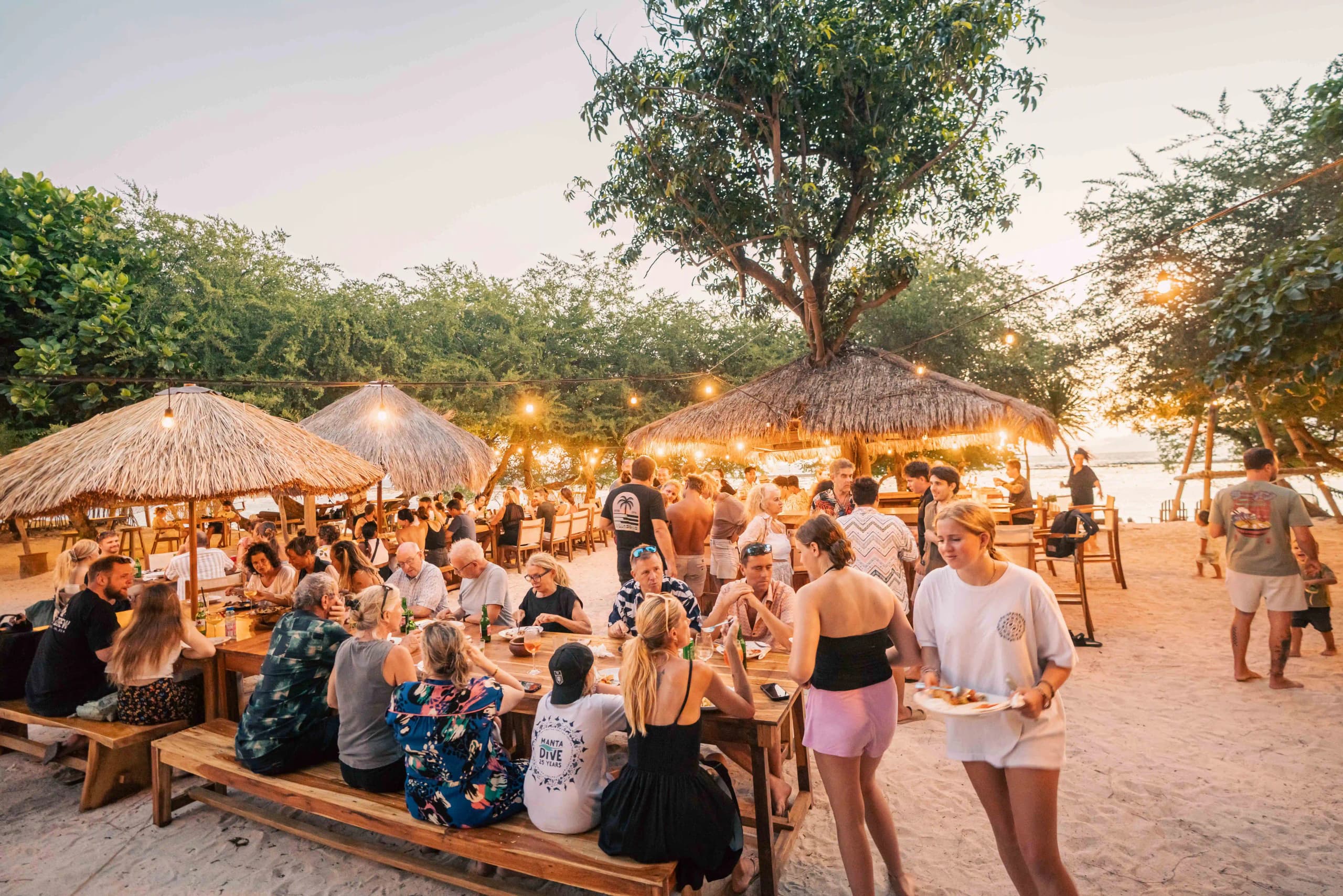
Teak Sundays: The Island's Favourite Weekly Tradition
Every Sunday, Gili Teak brings locals, travellers and island regulars together for a themed beachfront buffet, sunset drinks and an easy-going community atmosphere.

Businesses
By Order of The Peaky's Barbers
Step into Peaky’s Barbershop in Gili Air, where vintage 1920s-inspired style meets modern grooming, from precision fades and beard trims to classic razor shaves.