What to actually look for before you buy
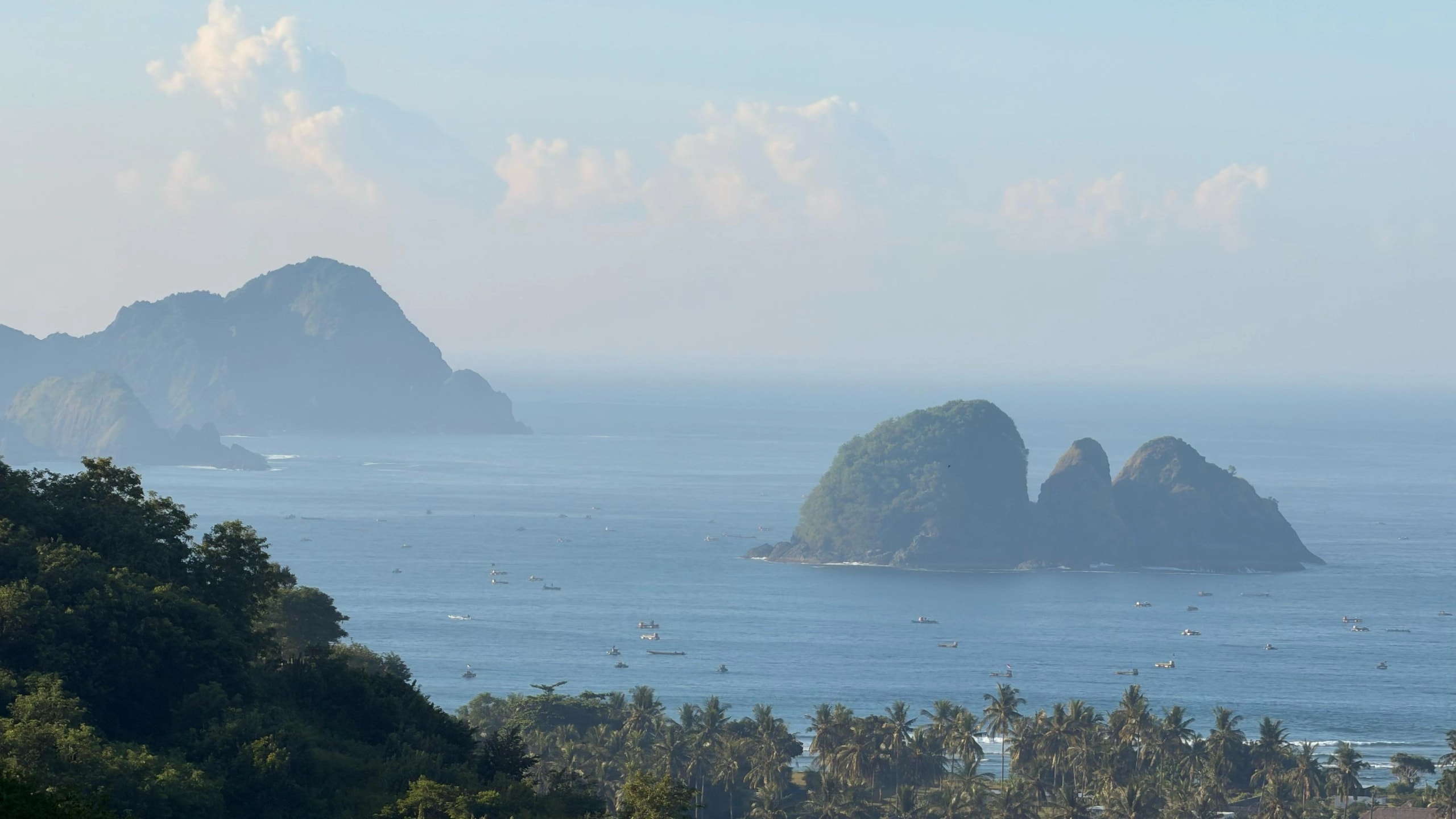
Buying property in Lombok is one of those decisions that moves fast once it starts. You see a plot, the price feels right, the location ticks every box, and it’s easy to want to move quickly.
But the buyers who consistently get good outcomes here are the ones who slow down just enough to ask the right questions before committing. Not to overcomplicate things, but because a few key checks early on can save a lot of cost and stress later.
Here’s what we look at, and what we tell our clients to look at, before recommending anything.
1. Start with your purpose
Before evaluating a single property, get clear on why you’re buying.
A holiday home, a rental investment, a land-banking play, and a development project each have different requirements. The right plot for a boutique villa operation is not the same as the right plot for someone who wants to hold for five years and sell. The right villa for a lifestyle buyer is not the same as the right villa for someone optimizing rental yield.
Getting this wrong at the start is the most expensive mistake you can make, because it shapes every decision that follows.
2. Location beyond the view
A view is not a location. A location includes road access, proximity to services, elevation above flood risk, and how the area is developing around the plot.
Before falling for a specific property, ask what the area is going to look like in three to five years. Is there infrastructure already in place, or is development still speculative? Are other projects nearby sold and under construction, or is the area still waiting for its moment?
Nour Estates Insider’s info
In South Lombok, the areas with the strongest track record are Kuta, Selong Belanak, and the areas between them. Plots in established areas hold their value and are easier to develop or resell. The further from proven infrastructure, the more you’re betting on future development, which can pay off but demands patience and a higher risk tolerance.
3. Understand what you’re actually buying
Land is not land. There’s raw land with no services, serviced land with roads and electricity already in place, and fully permitted plots ready to break ground. A villa can be leasehold or freehold, off-plan or completed, with or without a rental history.
Each has a different risk profile, return timeline, and price-to-value equation. Make sure you know which category you’re in, and that the asking price reflects it accurately.
4. The certificate and zoning question
Before anything else, confirm the certificate type and the zoning classification.
SHM (Sertifikat Hak Milik) is the strongest form of title. HGB and leasehold are common in development contexts and carry specific usage conditions. Zoning determines what you can build, residential, commercial, and agricultural classifications each follow different rules and permitting paths.
A plot with the wrong zoning for your intended use creates problems that are expensive to resolve.
5. The infrastructure reality check
This is where buyers are most often surprised.
Water source, electricity connection, septic or sewage, and access road ownership are all separate questions, and not all of them are solved just because a development is actively selling. Ask specifically:
- Is the water source a bore well or a shared system?
- Is PLN electricity already connected?
- Who owns the access road, and is it legally accessible to your plot?
6. Build costs are part of the equation
If you’re buying land to develop, the purchase price is only the beginning.
Site preparation, foundations, build quality, and finishing all vary, and hilly plots can add 15 to 30% to construction costs compared to flat equivalents, due to retaining walls, access, and engineering requirements.
As a general rule, budget a minimum of 10 to 15% above your headline land or villa price to cover legal fees, notary costs, taxes, permits, and drawings. If you’re building, do a full cost model before you buy, not after.
7. Due diligence is not optional
In Indonesia, every plot of land has a history. Not all of it is visible in the listing.
Confirm the land title, the zoning classification, the seller’s authority to sell, road access, water rights, and any boundary disputes. This is typically handled by an independent legal team and is one of the most cost-effective steps you can take in any transaction.
Think of it as a risk filter. The cost is small relative to what it protects.
8. Know your numbers before you commit
If you’re buying for rental income, run the numbers before you fall in love with the property.
That means factoring in construction or purchase price, expected rental rates, and realistic occupancy, property management fees (typically 15 to 30%), maintenance, and utilities. A typical range for well-positioned villas in South Lombok is 60 to 80% occupancy, with gross rental yields of 8 to 12% depending on location, management quality, and the segment.
Use developer projections as a starting point, but verify the assumptions behind them.
9. Who you’re working with
A certified agency (AREBI Member), a registered notary (PPAT), and a civil engineer for land assessment are the three pillars of a clean transaction. If any of these are missing or being rushed past, slow down.
The right team doesn’t just protect you, it makes the process faster. Deals that go wrong almost always involve someone cutting corners at the beginning.
Final Thoughts
Buying in Lombok can be one of the best decisions you make. The growth is visible, the opportunities for the right buyer are real, and the market has matured enough that good investments are achievable, but they require preparation.
Slow down, ask the questions that matter, and work with people who know the ground.
Yasmina for Nour Estates
No pressure. Just honest advice and local insight.
+62 853-3713-3898 · hello@nourestates.com · www.nourestates.com

mylombok
Recommended
Property Insights
Nour Estates - Lombok Property in 2025: What’s Actually Changed
Property Insights
Nour Estates - Buying an off-plan villa in Lombok? Here’s what you must check first
Property Insights
Ilyas Property - From Experience to Transformation

Property Insights
Ilyas Property - When interests align


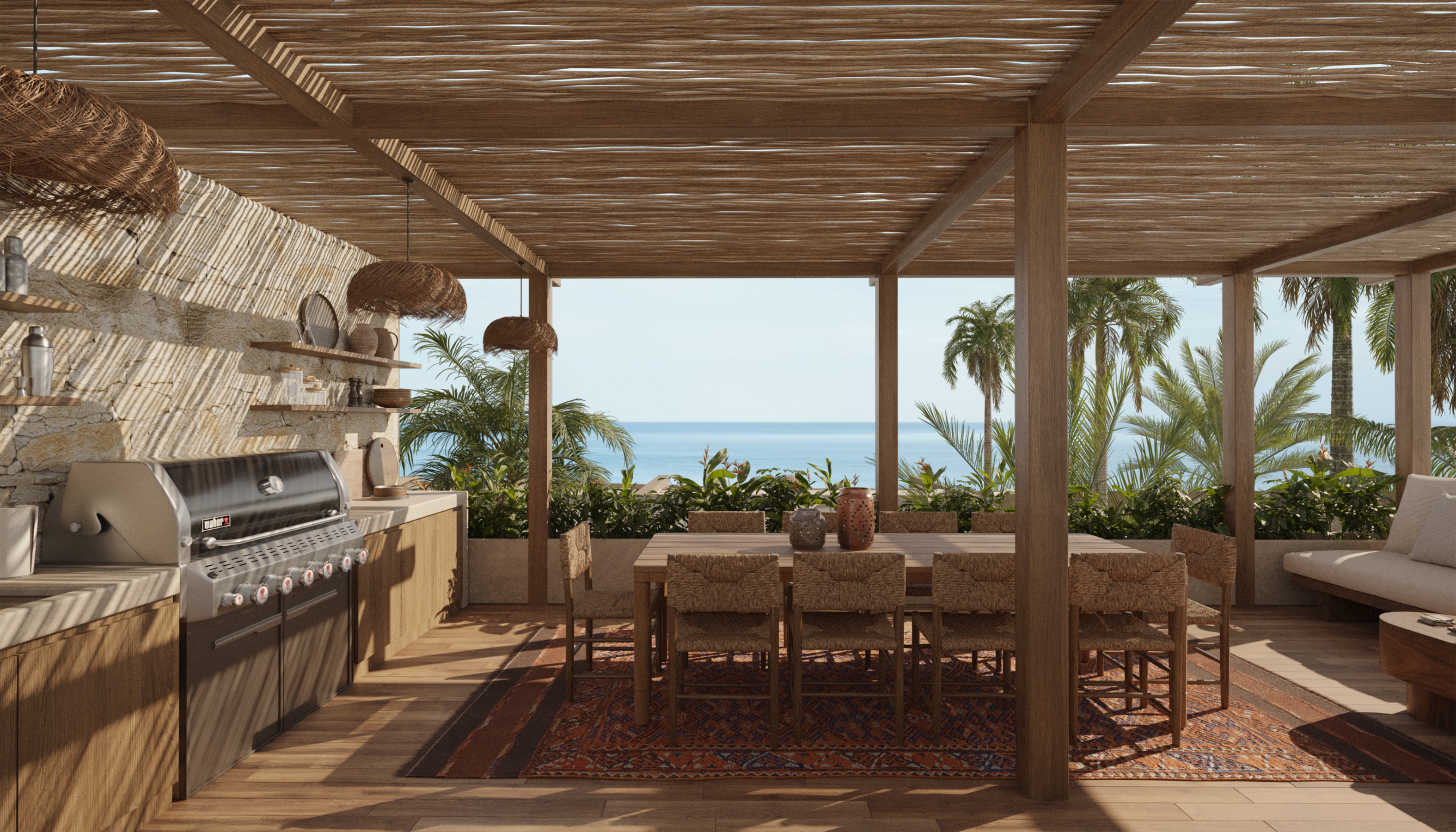
Investment
Laga Living - A New Kind of Beachfront Living in South Lombok
Laga Living introduces nine private pool villas on Kuta Beach, combining tropical architecture, private pools and access to sport, wellness, hospitality and the ocean.
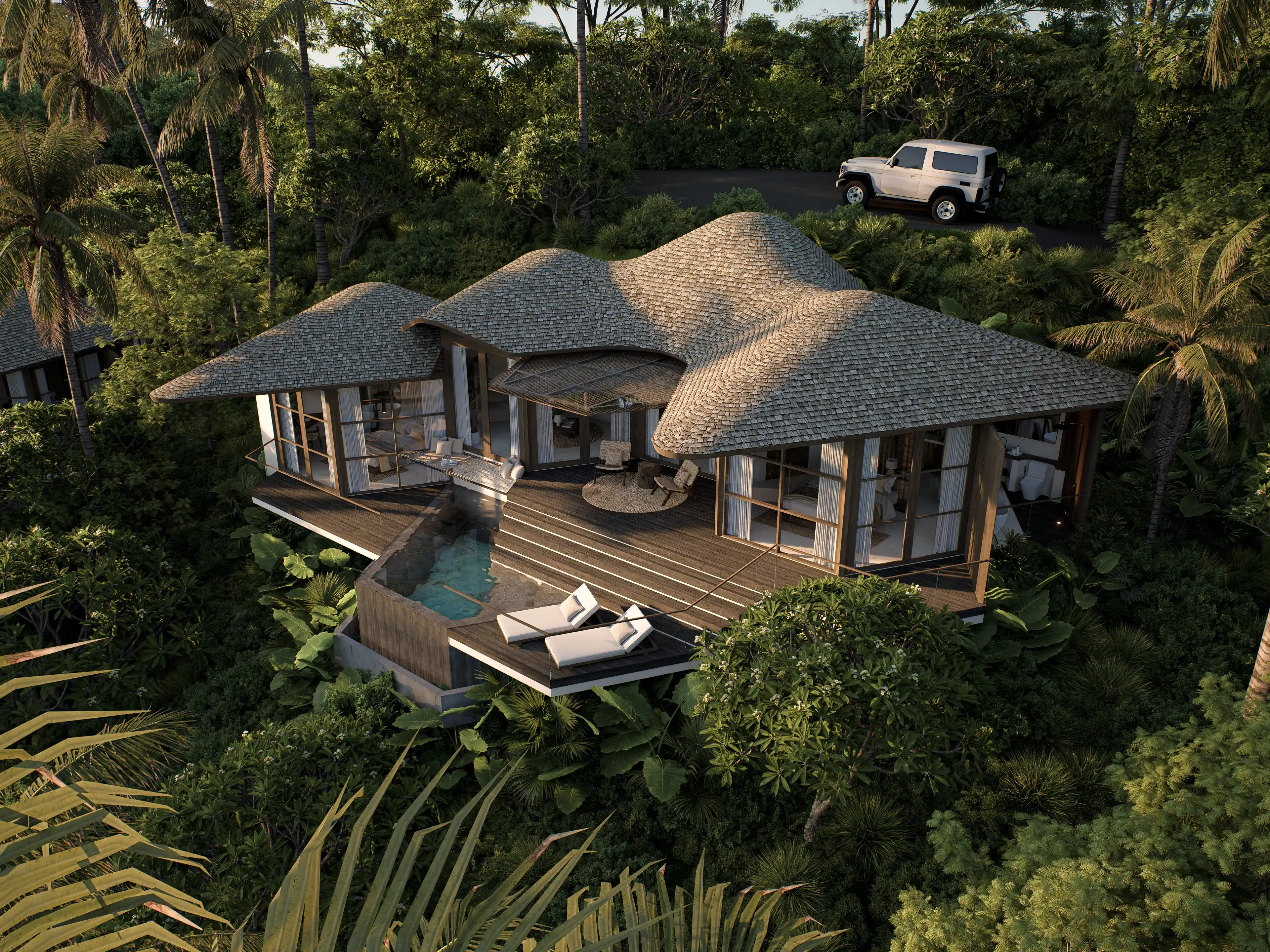
Investment
Sustainable Hillside Luxury - Living MAWI VALLEY
Mawi Valley is a sustainable hillside residential community near Mawi Beach, combining private villas, nature, wellness, sports and family-focused living in South Lombok.
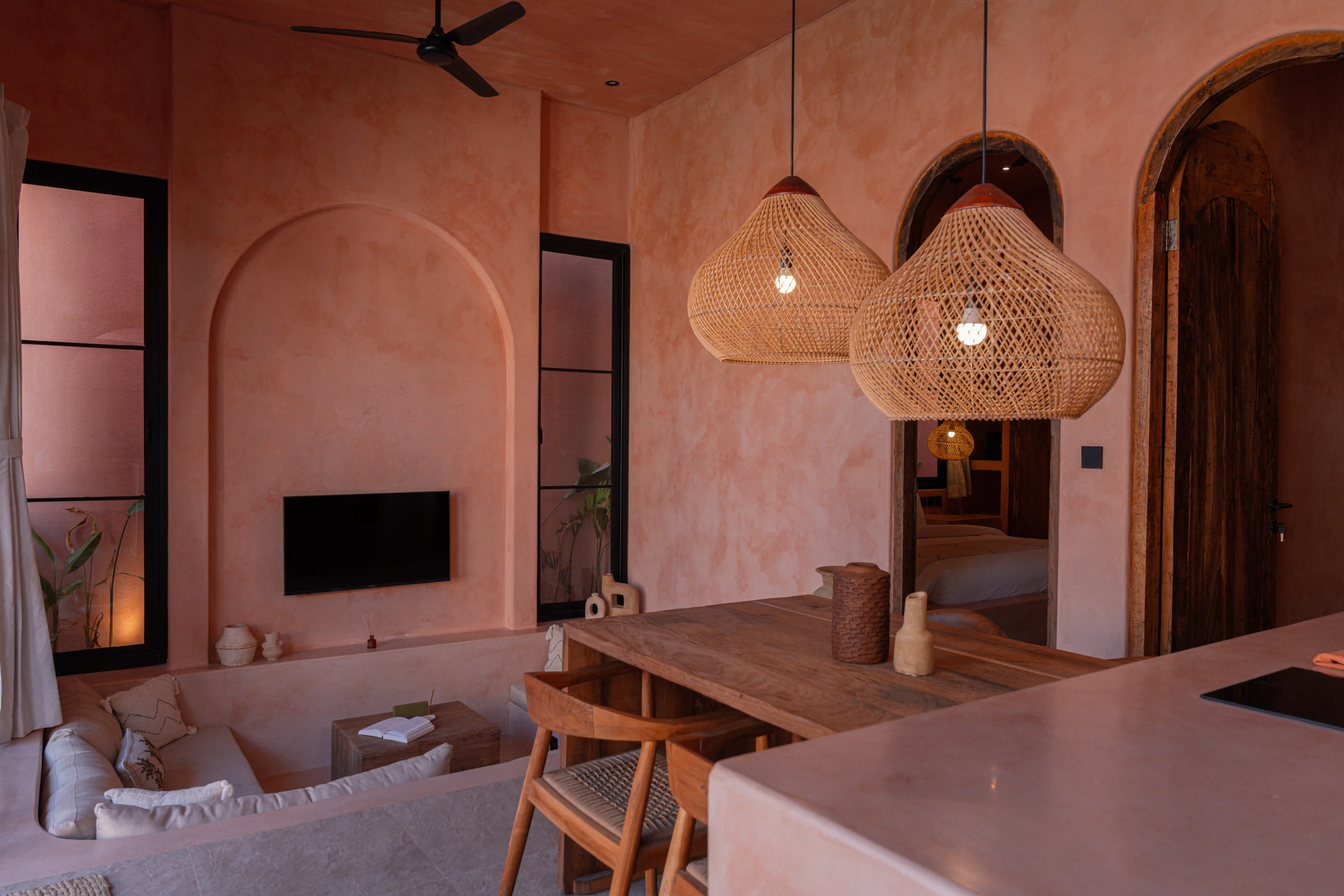
Villa
Pilla Villas by Rascals, Kuta
Tranquil terracotta villa haven in the heart of Kuta
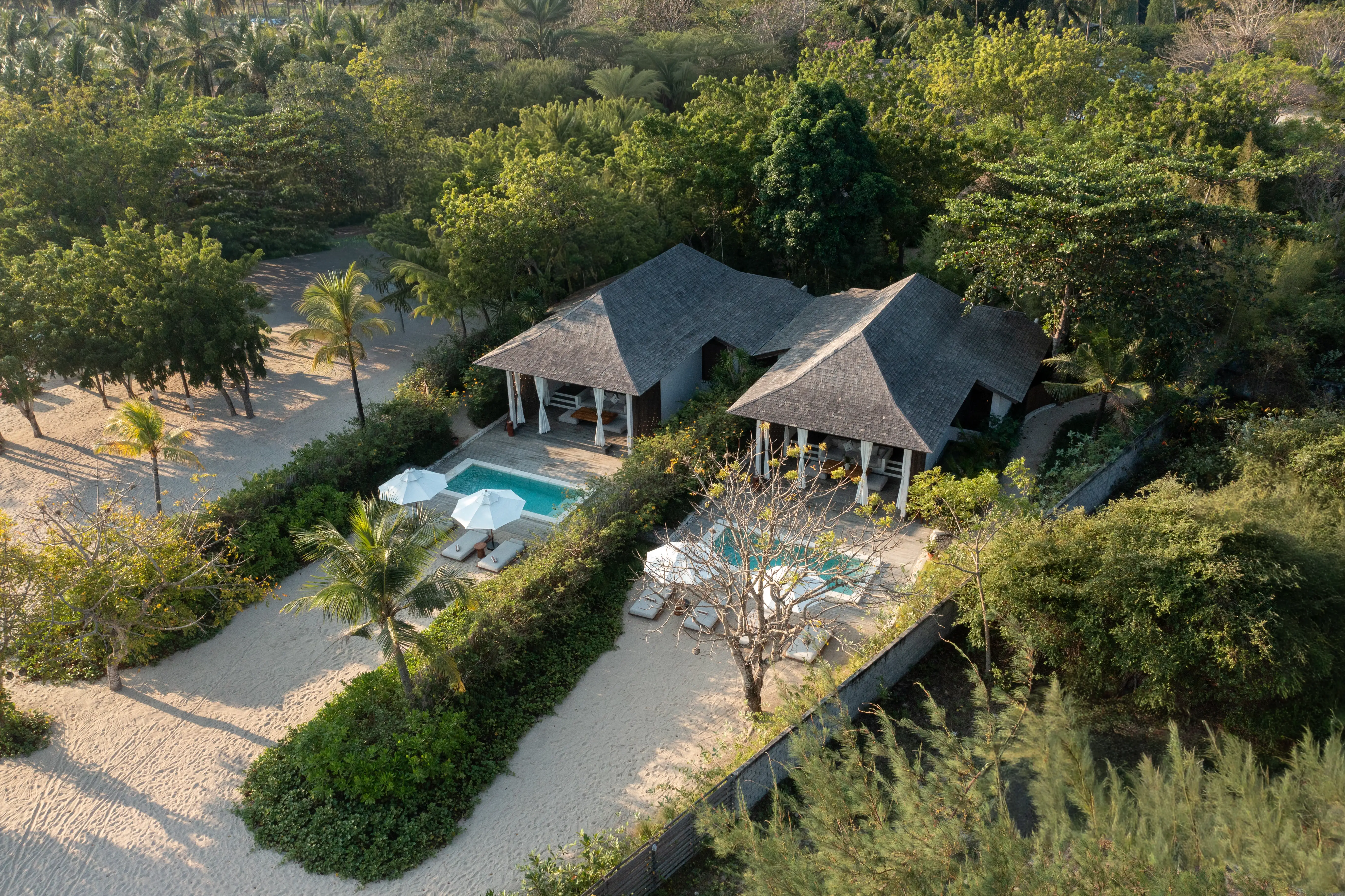
Resorts
Kuara Lombok Resort - Hidden boutique oasis evoking the natural beauty and traditions of South Lombok
A secluded beachfront retreat near Gerupuk, Kuara Lombok combines 16 suites and villas, natural design, tropical gardens, distinctive pools, dining and wellness experiences.