Ilyas Property - When interests align
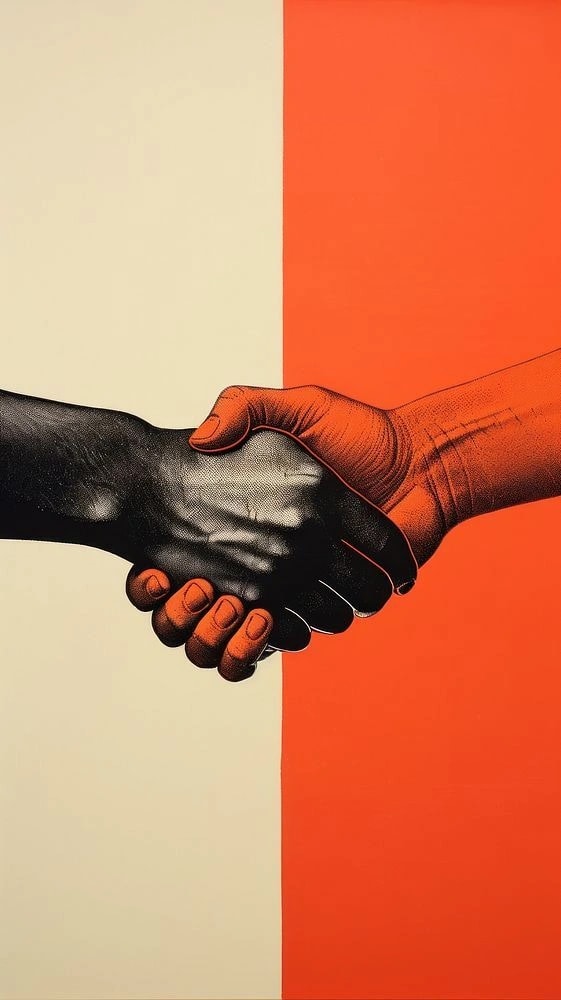
A CEO’s Story About Real Estate, Risk, Humanity, and the Meaning of Home in Indonesia
Real estate is often described as an investment strategy, a development plan, or a financial vehicle. But long before any of those labels, real estate is something infinitely more human. It is a decision about one’s future — a future you intend to build, inhabit, or pass on.
It is a conversation between hope and responsibility.
A negotiation between dreams and due diligence.
A delicate balance between what is desired and what is possible.
In Indonesia — a country rising with extraordinary momentum and rich cultural depth — these forces intertwine in ways that make every project, every home, and every transaction a story of alignment.
Having led developments across Southeast Asia, Europe, and beyond, and having spent years guiding investors, residents, and global institutions through some of their most important decisions, I’ve come to believe one principle above all:
Real estate succeeds when Buyer and Developer decide to see the same future.
Everything else — the land, the financial model, the design, the construction — becomes a pathway to that shared vision.
This is the story of how those futures are built.
THE ROOM WHERE IT BEGINS
Every development journey starts in a room.
Sometimes it is a polished boardroom in Jakarta.
Sometimes a terrace overlooking Kuta Mandalika.
Sometimes a café in Ubud.
Sometimes a beachfront warung in Lombok where ideas are sketched on napkins with the sound of waves acting as witness.
Across from the Developer sits the Buyer — a category far broader and more nuanced than people assume. Many are investors seeking returns. Some are families seeking a home. Others are hybrid buyers craving a second residence that can produce an income stream. Some dream of retreat spaces. Others dream of retirement havens. Some measure value in IRR tables. Others measure value in how the morning light enters the living room.
But all of them come with a silent question:
“Can I trust what I am stepping into?”
The Developer has a different question:
“Can you see the work I have already done and the reality I must navigate to bring this project to life?”
This emotional tension is not a barrier; it is a starting point.
THE MAPS WE BRING TO THE TABLE
The Buyer arrives with a mental map shaped by their past:
prices in other markets; yield expectations; stories from friends; spreadsheets filled with forecasts; assumptions about how regulations should behave; fears of uncertainty; and, for home-seekers, the fragile hope of finding a place that feels like “the one.”
The Developer brings a different map — one built from the ground up:
zoning overlays, land boundaries, architectural iterations, drainage studies, geotechnical reports, community agreements, access road negotiations, and a calendar marked with the sequence of permits.
In Indonesia, these maps are layered with the realities of an expansive archipelago. Central rules are set in Jakarta, but implementation is influenced by provincial interpretation, regency governance, and local customs. A developer must be fluent not only in regulation but in culture — understanding how decisions flow across islands and how communities shape sustainability.
Buyers don’t always see this invisible architecture of preparation.
Developers don’t always see the unseen calculations of personal fear and financial responsibility carried by buyers.
Alignment emerges when both acknowledge the weight of the other’s map.
THE HUMAN DIMENSION OF RISK
Risk is never just financial.
It is psychological.
It is emotional.
It is personal.
For the investor, risk is often expressed through numbers — yield projections, sensitivity analyses, occupancy curves, FX exposure, and exit liquidity. But beneath these spreadsheets lie human concerns: the fear of missing out, the fear of making a mistake, the fear of misreading timing.
For the homebuyer, risk is even more delicate. It is tied to longing. To belonging. To the worry that the home might not feel right, or that the location will not mature as imagined. Buying a home is not a transaction — it is the creation of a personal universe.
Developers carry their own risks: the pressure of liquidity management, the unpredictability of construction realities, the weight of regulatory compliance, the responsibilities toward communities, and the fragile task of preserving brand integrity over decades.
No two risks are equal, but all of them deserve respect.
The first step toward alignment is recognizing that risk exists on both sides — as mathematics and as emotion.
NEGOTIATION: WHERE INTENTIONS ALIGN OR COLLIDE
Negotiation is often misunderstood as a fight for advantage.
In truth, it is a ceremony of alignment.
The Investor seeks clarity, structure, and protection. The Homebuyer seeks reassurance, vision, and emotional security. The Developer seeks operational feasibility, liquidity stability, and long-term harmony.
Indonesia adds another dimension: negotiation must respect the rhythm of the land and the cultural etiquette of each region. A development in Lombok or Flores carries different community dynamics than one in Bali or Jakarta. Developers must be custodians of place — not merely builders.
Through negotiation, both parties speak their truths:
The Buyer:
“Show me how my capital will be protected.”
The Developer:
“Understand what flexibility is required to deliver what you have been promised.”
The magic happens when the Buyer stops negotiating for an advantage and starts negotiating for alignment — and the Developer does the same.
That is when real estate becomes partnership.
THE UNSEEN BATTLEFIELD OF CONSTRUCTION
Construction is where misunderstandings recur — unless alignment has been established early.
Indonesia, like all developing nations, has layers of logistical and environmental realities: rainy seasons that pause excavation, shipping schedules that affect material arrival, labour cycles influenced by holidays and community events, regional variations in permit processing, and unexpected situations that require adaptation.
Buyers often underestimate how many variables developers must orchestrate daily: contractor availability, supply chain timing, MEP engineering coordination, structural inspections, quality audits, vendor negotiation, and contingency management.
Developers sometimes underestimate the emotional weight buyers carry when waiting for progress — especially those investing life savings or planning future family life.
The aligned version of construction looks like this:
The Buyer:
“Keep me informed, and I will maintain trust.”
The Developer:
“Allow me the flexibility to adapt responsibly, and I will deliver with integrity.”
When both honor this exchange, construction becomes a rhythm, not a battle.
DELIVERY & OPERATION: WHEN THE ASSET BEGINS TO BREATHE
When keys are handed over, the property enters the real world.
For investors, the narrative becomes performance: occupancy, ADR, reputation, operational efficiency, and cost control.
For homebuyers, the narrative becomes life itself: comfort, community, light, sound, privacy, wellness, routine, and a feeling of place.
Operations reveal whether a project was built merely as a building or as an ecosystem.
Branded residences, boutique hotels, villa estates, and lifestyle communities all depend on operational discipline.
Indonesia’s tourism dynamics — global connectivity, domestic demand, seasonality patterns, hospitality talent availability, and branding strategies — shape the long-term performance of any asset.
Operations are where many projects fail, because owners and developers forget that property is not static. It must be nurtured. Refreshed. Protected.
The aligned ones thrive — because they treat operations as a continuation of development, not the end of it.
EXIT: THE FINAL TEST OF ALIGNMENT
The day an investor or homeowner decides to sell is the day the market becomes the judge.
If interests have aligned throughout the journey:
values hold.
demand exists.
the story resonates.
the brand remains intact.
the destination has matured.
the buyers have confidence.
the developer’s reputation has grown.
When misalignment has occurred, resale becomes uncertain: the narrative is confusing; the community fragmented; the brand diluted; the buyer base uncoordinated.
But when interests align from the beginning — through design, pricing, construction, operations, governance, and community — the project becomes an appreciating ecosystem, not a depreciating asset.
This is the secret of iconic developments worldwide.
Indonesia is now producing them.
INDONESIA: A COUNTRY OF POTENTIAL, PURPOSE & PERSPECTIVE
Indonesia is not perfect — no fast-growing country is.
Its strength lies in its ambition, diversity, and scale.
This is a nation building airports where there were none, roads where jungles once stood, digital permitting systems where paperwork dominated, and international tourism corridors where only local footpaths existed.
To build in Indonesia is to participate in a country’s rise.
To invest in Indonesia is to believe in a sovereign vision.
To live in Indonesia is to embrace a rhythm of life both grounding and liberating.
Those who succeed here are those who come with humility, curiosity, and adaptability.
Those who expect rigidity fail; those who understand context thrive.
When Buyers accept Indonesia for what it is — not what they expect it to be — they unlock opportunities rare in the world today.
When Developers honor Indonesia’s cultural logic, environmental responsibility, and community roles, they create destinations beyond commercial value.
This mutual respect is the foundation of alignment.
THE MEANING OF ALIGNMENT
Real estate is not about eliminating uncertainty.
It is about organizing it, shaping it, and sharing it intelligently.
When a Buyer’s prudence meets a Developer’s preparation, alignment emerges.
When the Investor’s forecasts meet the Operator’s discipline, alignment strengthens.
When a family’s desire for a home meets thoughtful design, alignment becomes emotional.
When communities benefit from projects, alignment becomes ethical.
When governments see development support national vision, alignment becomes structural.
When all these forces meet —
real estate stops being transactional and becomes transformational.
Alignment is the true currency of development.
Alignment is the true foundation of trust.
Alignment is the true predictor of success.
In Indonesia — where the future is being built island by island, community by community — alignment is not just good practice.
It is the only way forward.
THE FUTURE WE BUILD TOGETHER
Real estate begins with land and numbers, but it is fulfilled through alignment. Beneath every contour line mapped by an architect, beneath every cash-flow projection or regulatory approval, lies a deeper intention: to shape a place where human aspiration and technical precision meet.
In Indonesia’s evolving landscape, this meeting point matters more than ever. A buyer’s search for stability, a developer’s mastery of complexity, an investor’s need for performance, and a homeowner’s desire for belonging all converge into a single question:
Can we see the same future?
When that future is shared, risk becomes manageable, planning becomes purposeful, and construction becomes choreography rather than conflict. The asset transforms—first on paper, then on land, and finally in the lives of those who inhabit it.
Alignment is not abstract.
It is structural, financial, operational.
It is also emotional, cultural, human.
experience. It creates properties that endure not just because they are well designed, but because they are well understood.
And in the end, when interests align, real estate is no longer simply acquired or delivered.
It becomes a place where value, vision, and life converge — a legacy shaped by both the discipline of development and the poetry of human intention.
Real estate becomes more than a physical place — it becomes a legacy.

mylombok


Investment
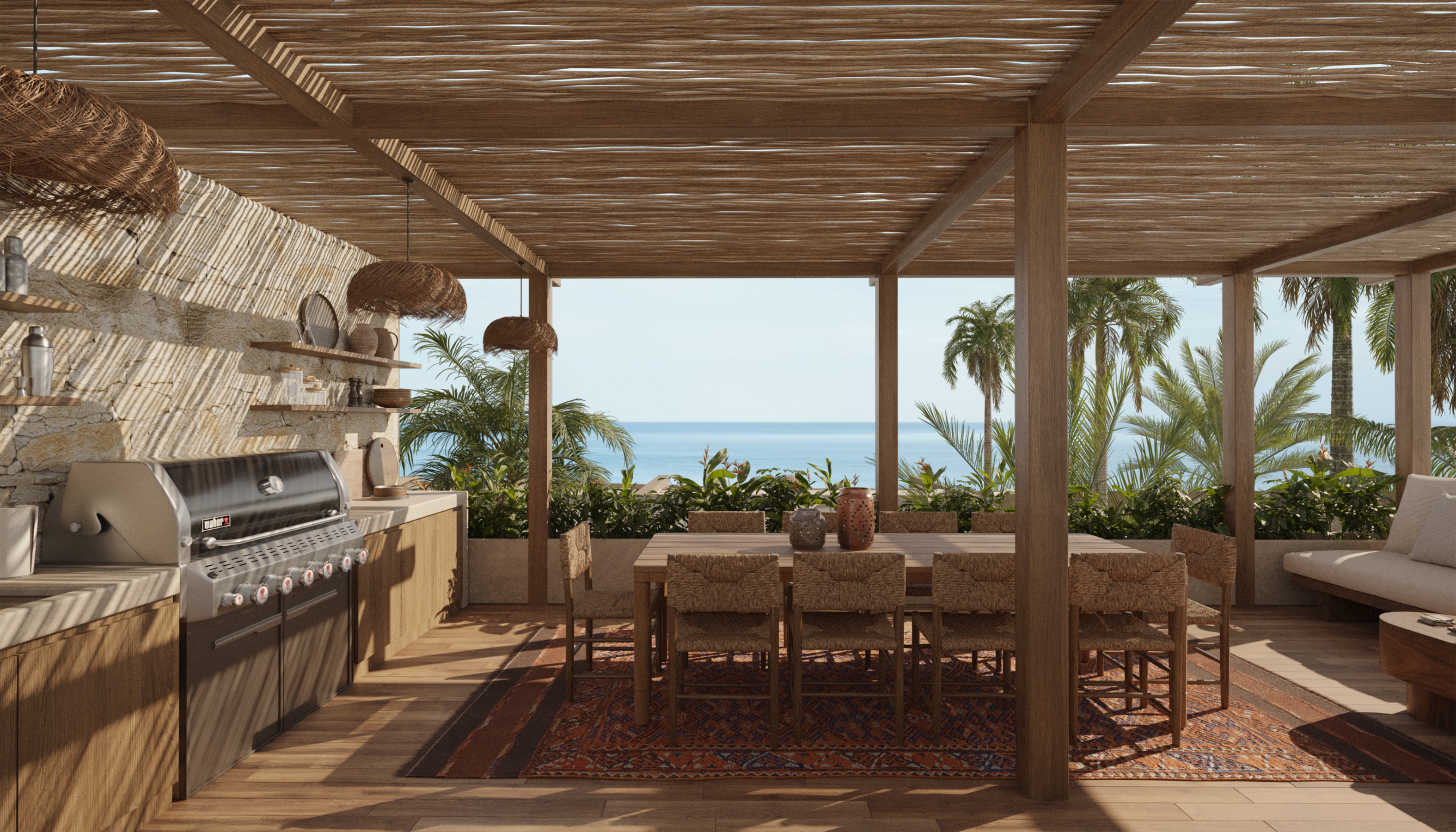
Laga Living - A New Kind of Beachfront Living in South Lombok
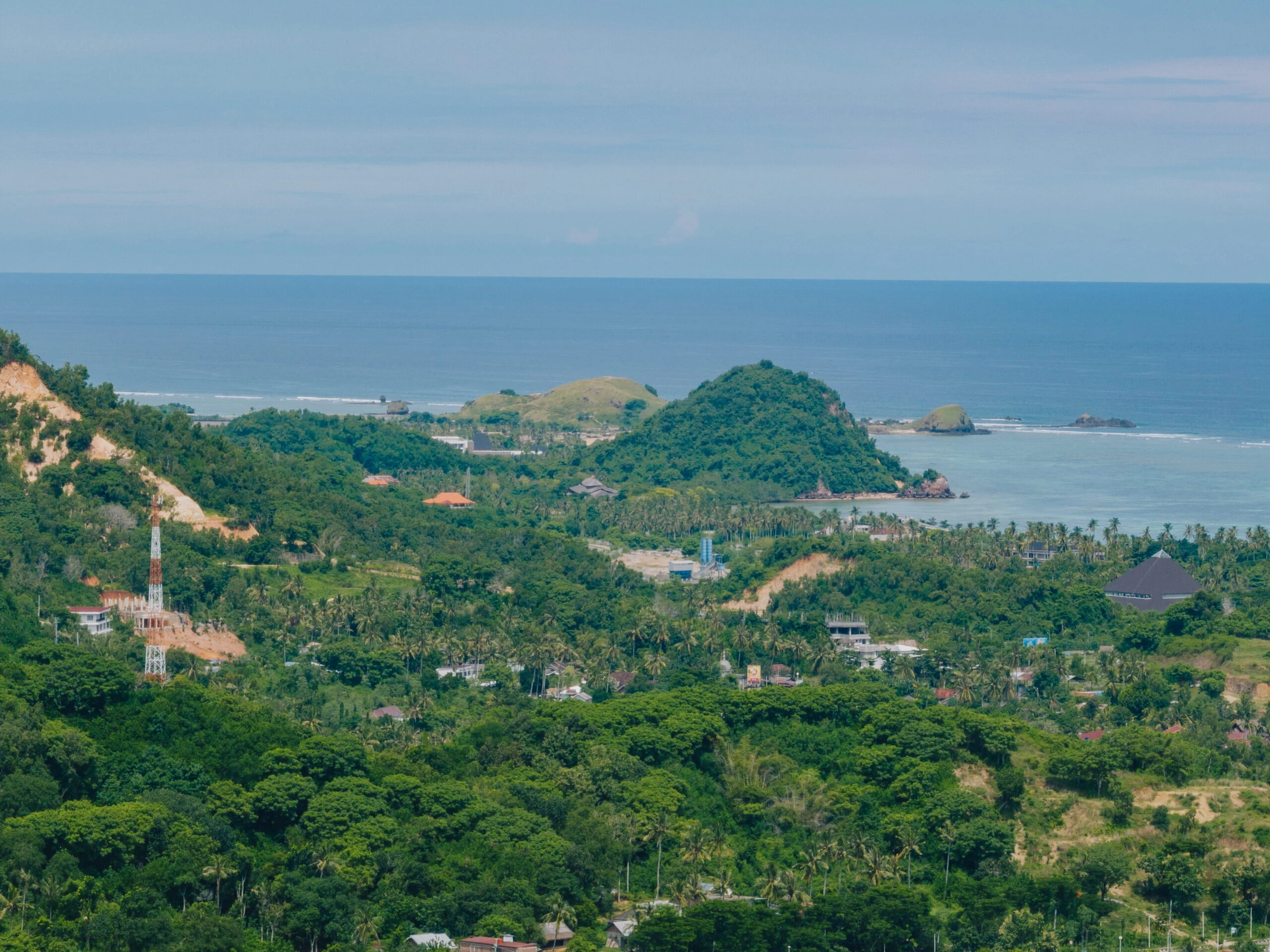
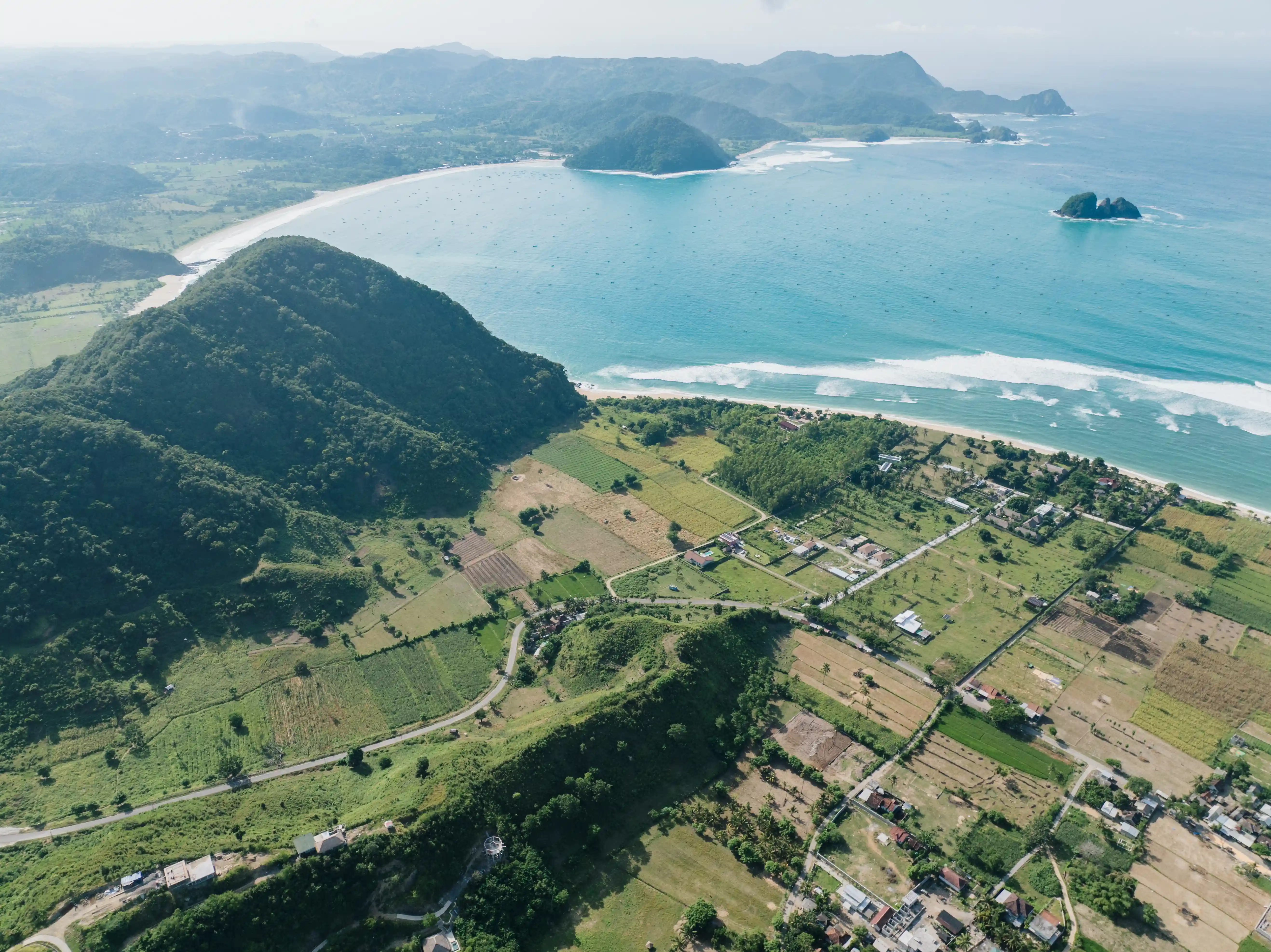
Laga Living introduces nine private pool villas on Kuta Beach, combining tropical architecture, private pools and access to sport, wellness, hospitality and the ocean.
Investment
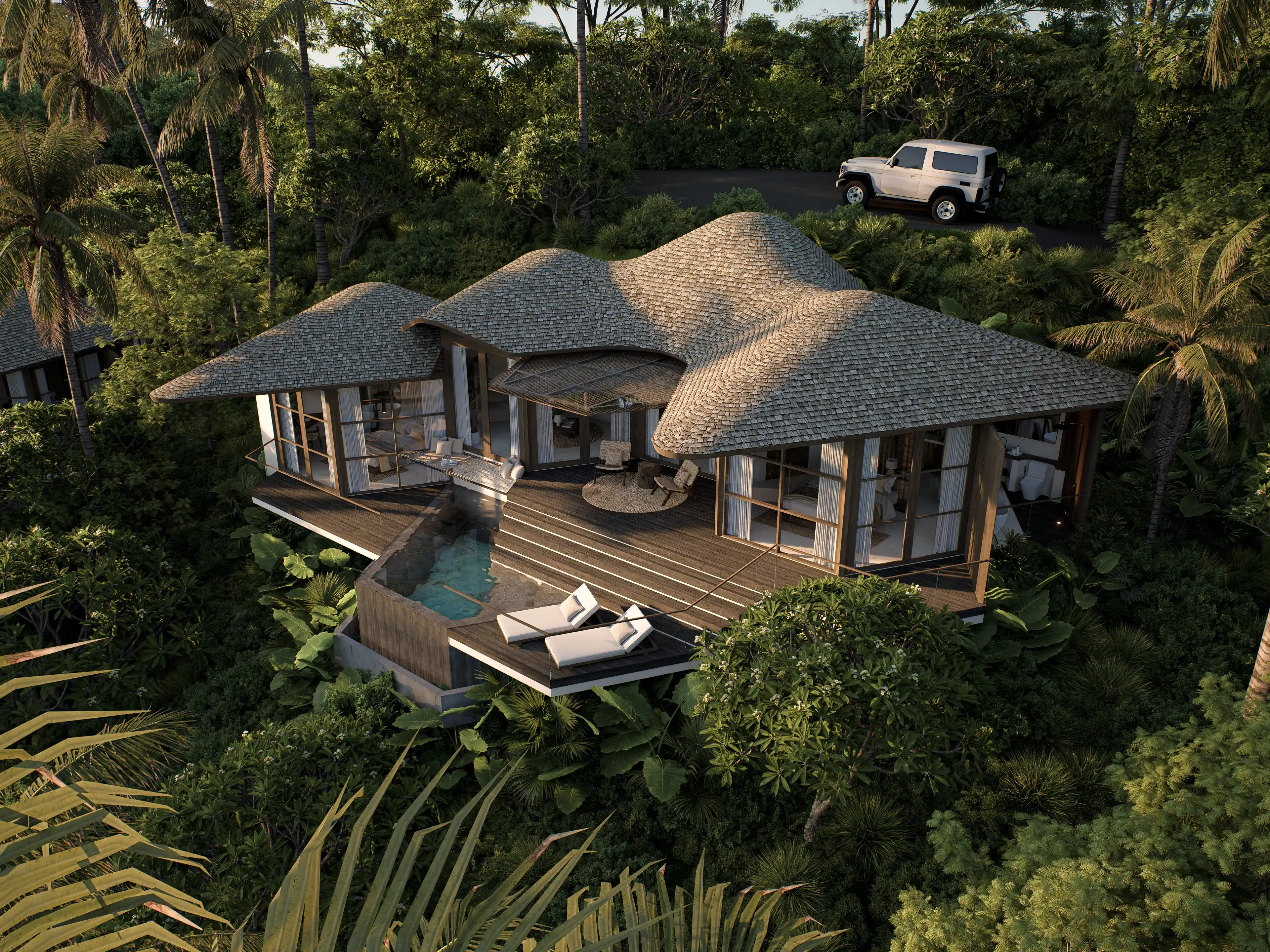
Sustainable Hillside Luxury - Living MAWI VALLEY
Mawi Valley is a sustainable hillside residential community near Mawi Beach, combining private villas, nature, wellness, sports and family-focused living in South Lombok.
Villa
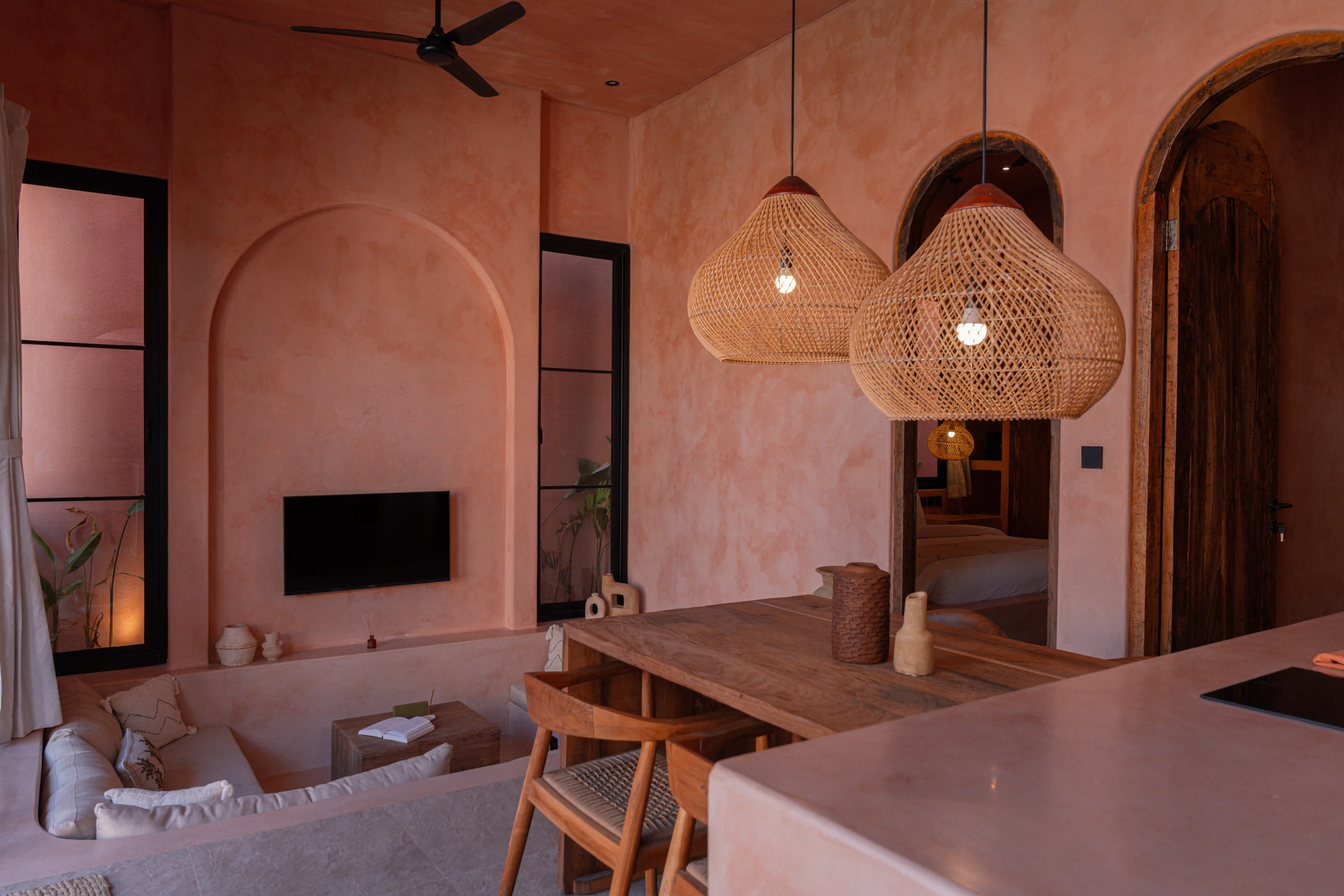
Pilla Villas by Rascals, Kuta
Tranquil terracotta villa haven in the heart of Kuta
Resorts
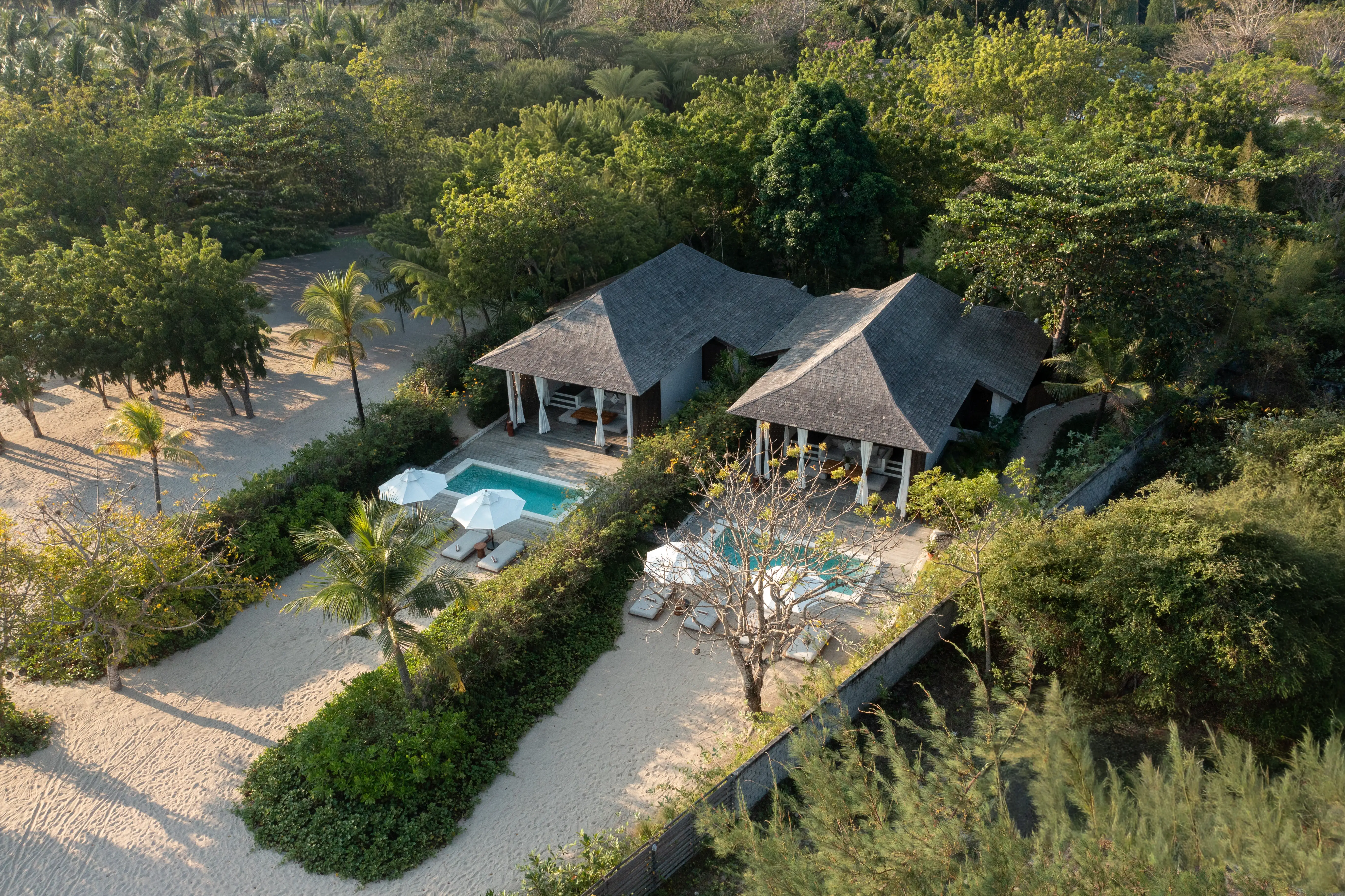
Kuara Lombok Resort - Hidden boutique oasis evoking the natural beauty and traditions of South Lombok
A secluded beachfront retreat near Gerupuk, Kuara Lombok combines 16 suites and villas, natural design, tropical gardens, distinctive pools, dining and wellness experiences.