Nour Estates - Buying an off-plan villa in Lombok? Here’s what you must check first

But off-plan also comes with risk. You’re buying a promise, NOT a finished product.
If you don’t verify the right elements upfront, delays, legal issues, or unexpected costs can quickly turn a good investment into a stressful experience. The key is knowing what to check, and in what order.
Here’s a practical guide to help buyers navigate off-plan villa purchases in Lombok confidently.
1. Check the Developer’s Track Record
In Lombok, the developer often matters as much as the property itself. A great location can’t save a project from poor execution. Before you fall in love with the renderings, take time to understand who is behind the project and how they operate.
The simplest way to assess risk is to look at their track record. Have they completed projects before? Can you visit the completed villas and assess the build quality in person? Do previous buyers say delivery timelines were respected? If the developer is new, it doesn’t automatically mean “don’t buy”. It just means you should expect stronger protections and clearer milestones.
2. Understand What You’re Actually Buying
Many off-plan misunderstandings come from one issue: buyers think they’re buying one thing, while the contract describes something else.
Before you go deeper, make sure you understand the basics of the deal. What ownership structure is being offered (leasehold, HGB, etc.)? What exactly is included: land size, building size, pool, furniture, landscaping, and appliances? What does the master plan look like, and what will the surrounding area feel like once other units are built?
Anything promised in brochures, presentations, or WhatsApp messages should be clearly reflected in writing. If it’s not written, assume it’s not included.
3. Due Diligence (Strongly Recommended)
Due diligence isn’t legally mandatory, but it is one of the smartest moves you can make before signing the final agreement or paying large installments. This is typically done by an independent legal team or a licensed notary, and the goal is simple: confirm that the project is legally sound and that nothing hidden could create future problems.
Your legal team typically checks that the developer has the right to build and sell, that the land and zoning are aligned with the intended use, and that permits and access are in order. If anything comes back unclear, you can renegotiate protections or exit before you’re too committed financially.
Think of due diligence as your “risk filter.” It’s often the cheapest insurance you can buy in an off-plan deal.
4. Review Construction Specifications in Detail
Renderings can look perfect, but value comes from what’s actually being built. The difference between a villa that still looks great in five years and one that ages quickly often comes down to materials and workmanship.
Ask for a detailed specification sheet and review it carefully. What materials are used for structure, roofing, waterproofing, and finishing? What plumbing and electrical standards are planned? How is the pool built and sealed? What’s included in the furniture package, and what warranty is provided?
In Lombok’s tropical climate, construction quality directly impacts maintenance costs, guest experience, and resale value. This is one section worth taking seriously.
5. Understand the Payment Structure
Most off-plan projects use staged payments linked to construction progress. Common structures include a booking fee (typically 5-10%), a down payment (30–40%), milestone payments, and a final payment upon completion.
The exact percentages matter less than one thing: everything must be clear and written. Each payment should correspond to a specific, easy-to-check stage (e.g., foundation completed, roof installed, finishing completed), not vague terms that can be interpreted differently. Also, ensure the contract specifies what happens if the project is delayed: are there penalties? Can you get a refund? Is there any protection for your money?
6. Confirm Completion Timeline
Many developers estimate 12–14 months for completion, but delays can happen. Weather, material supply, labor availability, and permit processing can all impact timelines.
The best approach is to request a construction timeline and reporting schedule upfront. You want to know how progress will be tracked, how often updates will be shared, and whether there are delay penalties. Strong developers don’t avoid these conversations. They explain the risks clearly and plan realistically.
7. Check Infrastructure and Access
A beautiful villa has limited value if access and infrastructure are weak. Before buying, confirm the road access situation (public or private), electricity supply, water source, internet availability, and drainage systems.
These elements impact livability, guest satisfaction, rental performance, and resale value. In many cases, infrastructure is what separates “a nice villa” from “a villa that performs as an investment.”
8. Study the Location and Surrounding Development
You’re not just buying a villa, you’re buying its environment.
Look at what’s happening around the project: nearby developments, tourism growth, hospitality openings, and future road plans. Also, check potential downsides: construction noise, blocked views, or land that may be developed later.
South Lombok continues to benefit from tourism and infrastructure growth, which support long-term demand, but within South Lombok, micro-location still matters significantly. Two villas, a few minutes apart, can perform very differently
9. Evaluate Rental Potential and Management Options
If you’re buying for rental income, this part matters. Many projections look good on paper, but the best investors ask how the numbers were built.
Check expected occupancy, nightly rates, seasonality, operating costs, and property management fees. A typical market range in South Lombok is 60–80% occupancy for well-positioned villas, with gross rental yields typically 8–12%, depending on the segment, management quality, and location.
Use projections as a guide, but make sure they’re based on realistic assumptions, not best-case scenarios.
10. Review the Sale and Purchase Agreement Carefully
The sale and purchase agreement should clearly define the deliverables: specifications, inclusions, timeline, payment schedule, warranties, penalties for delays, and the transfer process.
This is also where you confirm that what you were shown in the marketing matches what you’re legally buying. Your legal team will typically handle the review, but your role is to make sure the contract reflects the deal you think you’re making.
11. Consider Exit Strategy and Resale Potential
Every smart investment includes an exit plan. Before buying, consider how easily the villa can be resold, whether ownership rights are transferable, whether the local market has real demand, and whether any resale restrictions apply.
Projects with strong legal structure, good access, and proven demand typically hold value better and are easier to sell later.
Final Thoughts
Off-plan villas in Lombok can offer strong value and early entry into a growing market, but only when approached carefully.
Choose the right developer. Understand the project clearly. Protect yourself through proper verification. Review the financial structure. Study the location and infrastructure.
When these fundamentals are in place, off-plan investment becomes less about risk and more about opportunity. In a market that continues to evolve, informed buyers consistently achieve better long-term results.
Yasmina for Nour Estates
No pressure. Just honest advice and local insight
www.nourestates.com
hello@nourestates.com
About Nour Estates
Buying property in Lombok can feel overwhelming. We’ve been through the process ourselves. We know how exciting it is, and how confusing it can be. It’s often fragmented, the rules aren’t always clear, and there’s no central guide to help you through it all.
That’s where we come in.
At Nour Estates, we bring everything together in one place: property search, investment advice, trusted partners, and local insight, so you don’t have to figure it out alone.
From research to purchase, we’re your on-the-ground guide, helping you understand the market, avoid common mistakes, and make smart investment decisions that feel right.
Lombok is growing fast. Let’s make sure you’re part of it.
Contact us now.

mylombok
Related business directory






Investment
Laga Living - A New Kind of Beachfront Living in South Lombok
Laga Living introduces nine private pool villas on Kuta Beach, combining tropical architecture, private pools and access to sport, wellness, hospitality and the ocean.

Investment
Sustainable Hillside Luxury - Living MAWI VALLEY
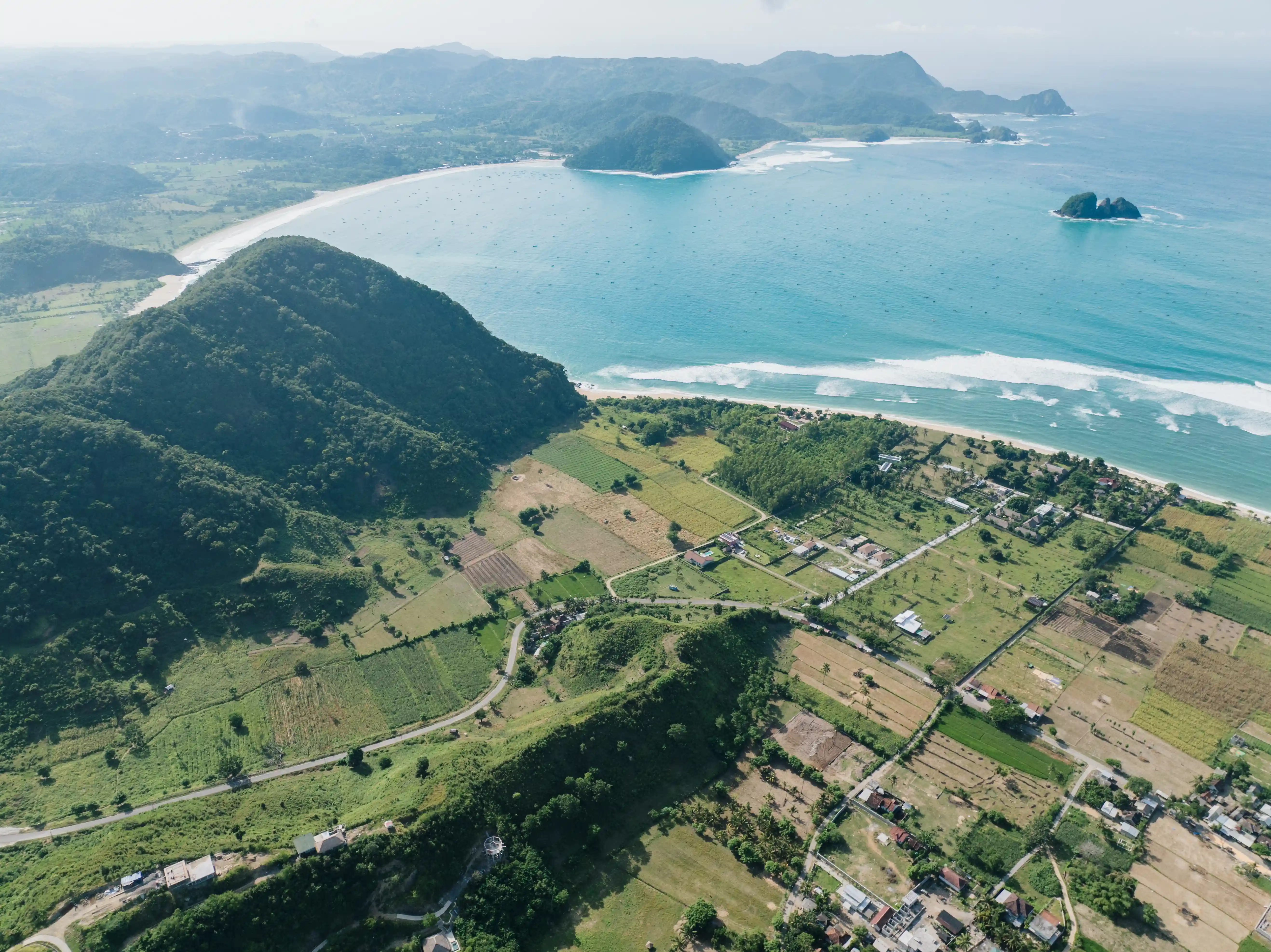
Mawi Valley is a sustainable hillside residential community near Mawi Beach, combining private villas, nature, wellness, sports and family-focused living in South Lombok.
Villa
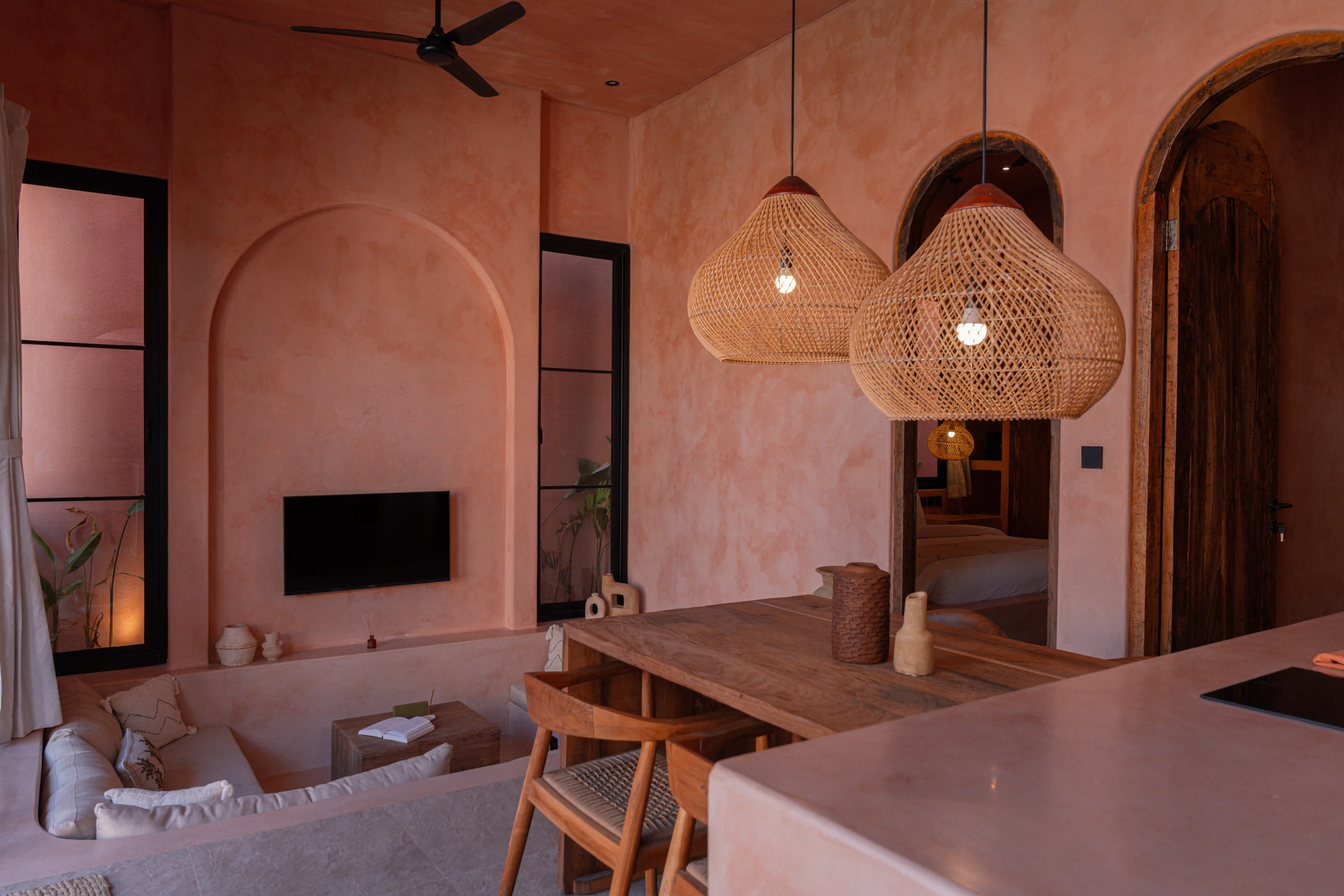
Pilla Villas by Rascals, Kuta
Tranquil terracotta villa haven in the heart of Kuta
Resorts
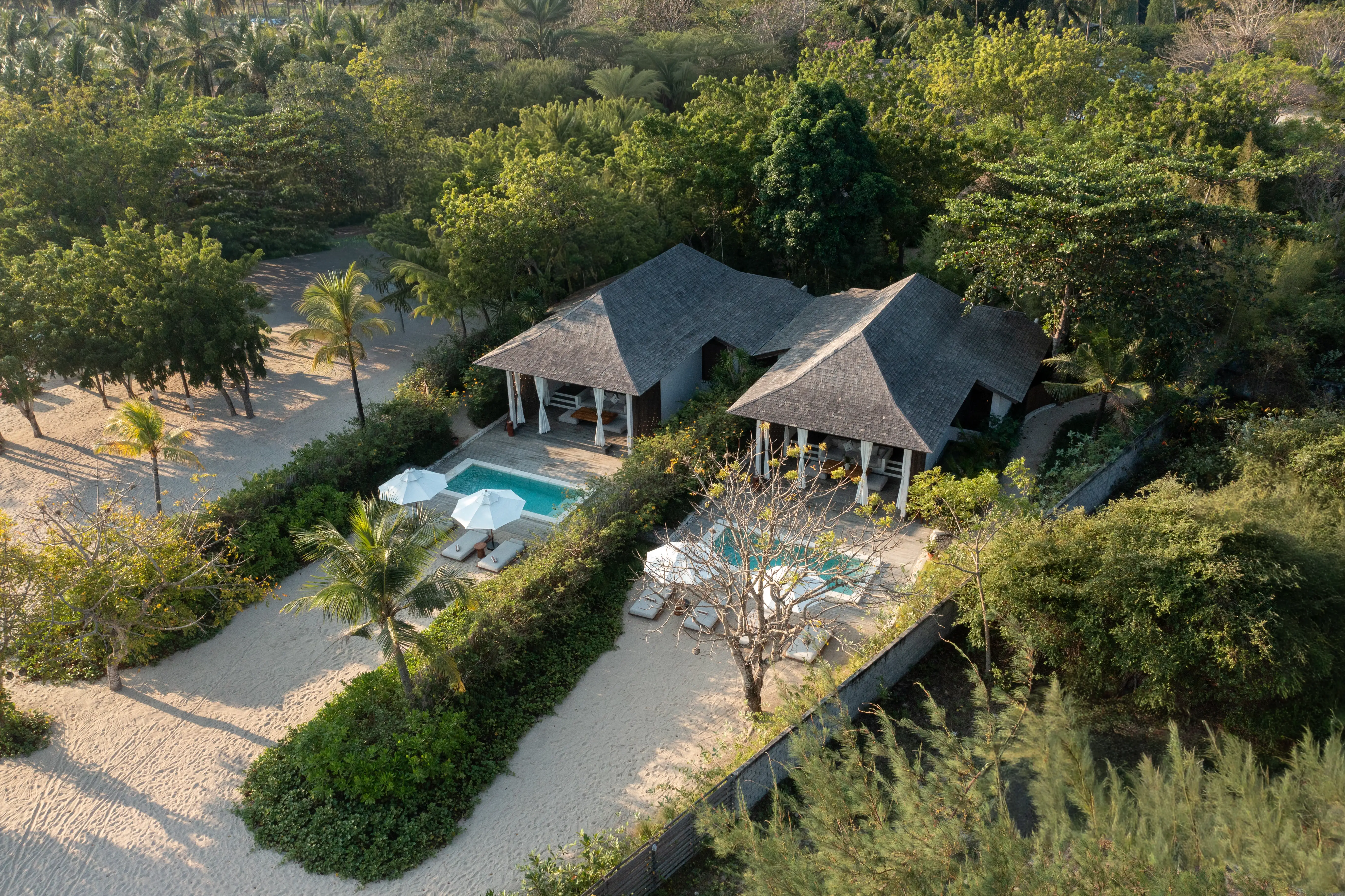
Kuara Lombok Resort - Hidden boutique oasis evoking the natural beauty and traditions of South Lombok
A secluded beachfront retreat near Gerupuk, Kuara Lombok combines 16 suites and villas, natural design, tropical gardens, distinctive pools, dining and wellness experiences.